カーラッピング vs 塗装:コスト、耐久性、リセールバリューを比較 (2026年版)
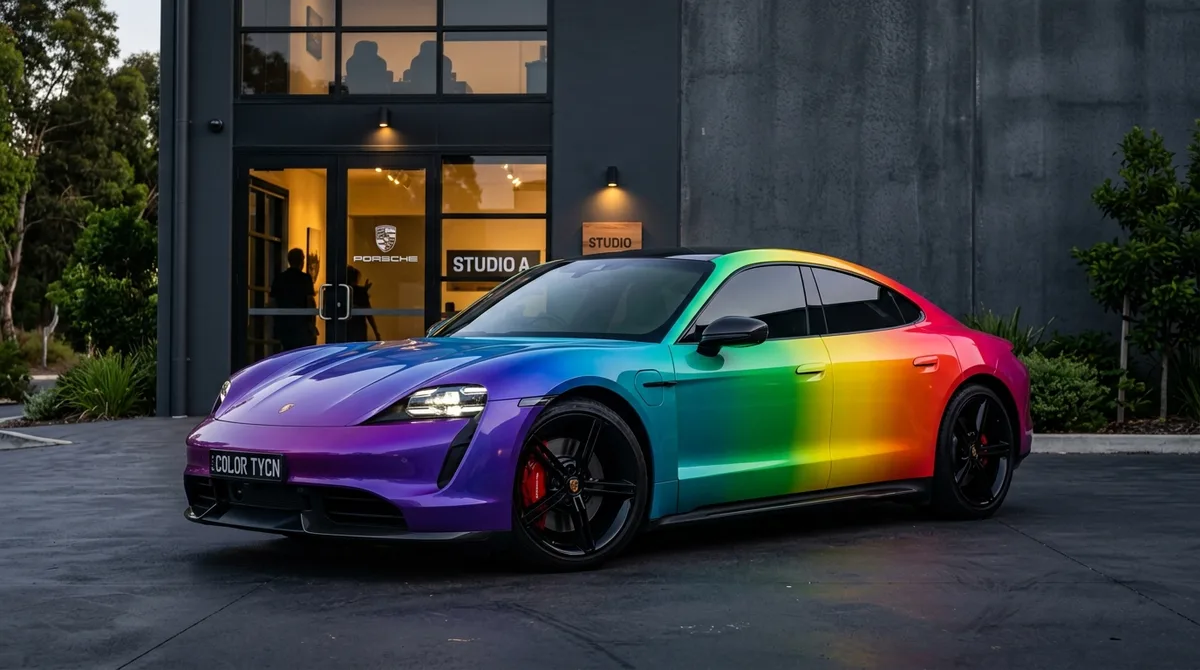
愛車の色を新しくしたい場合、主な方法はビニールラッピングか再塗装の2つです。どちらも素晴らしい仕上がりになりますが、コスト、耐久性、元に戻せるか、そしてリセールバリューの点で異なります。ここでは、あなたが最適な選択をするために、両者を実用的な観点から比較します。
コスト
一般的に、プロによる高品質なラッピングは、ハイエンドな全塗装よりもコストを抑えられます。ただし、クロームやカラーシフトのような特殊な仕上げの場合は、価格差が縮まったり、逆に高くなったりすることもあります。塗装のコストは下地処理の質によって大きく変動し、安価なシングルステージ塗装とショーに出せるレベルの多層塗装とでは、価格も仕上がりも全く異なります。
耐久性
適切にメンテナンスされた良質な塗装は、車の寿命まで持ちます。一方、ラッピングの寿命は通常数年で交換が必要になり、強い日差しや不適切な洗車、雑な剥がし方によるダメージを受けやすい側面もあります。とはいえ、ラッピングは下にある純正塗装を細かい傷から保護する役割も果たします。
元に戻せるか、そしてリセールバリュー
これがラッピング最大の利点、つまり「剥がせる」という点です。もし大胆な色にラッピングしても、後で売却したくなった時には、ラッピングを剥がしてほとんどの買い手が好む純正色に戻すことができます。再塗装は車を恒久的に変えてしまい、純正色以外のカラーは買い手によってリセールバリューを良くも悪くも左右します。見た目を頻繁に変えたいのであれば、ラッピングが柔軟な選択肢です。
賢い最初のステップ:まずはプレビュー
どちらの方法を検討しているにせよ、最大のリスクは、最終的に気に入らない色に決めてしまうことです。まずはプレビューしてみましょう。Car AIを使えば、ご自身の愛車の写真に、グロス、マット、サテン、メタリック、さらにはクロームやカラーシフトまで、あらゆる色や仕上げを適用できます。そして、実際にお金をかける前に、選択肢を並べて比較することが可能です。
まずはバーチャルで見た目を決めて、それからご自身の予算やそのスタイルを続けたい期間に合わせて、ラッピングか塗装かという手段を選びましょう。