Window Tint Percentage Guide (VLT%)
Window tint darkness is measured as VLT% — Visible Light Transmission — the percentage of light that passes through. A higher number is lighter (70% is nearly clear); a lower number is darker (5% is 'limo' tint). Use the preview below to see how each level looks, then always confirm what's legal in your area before tinting.
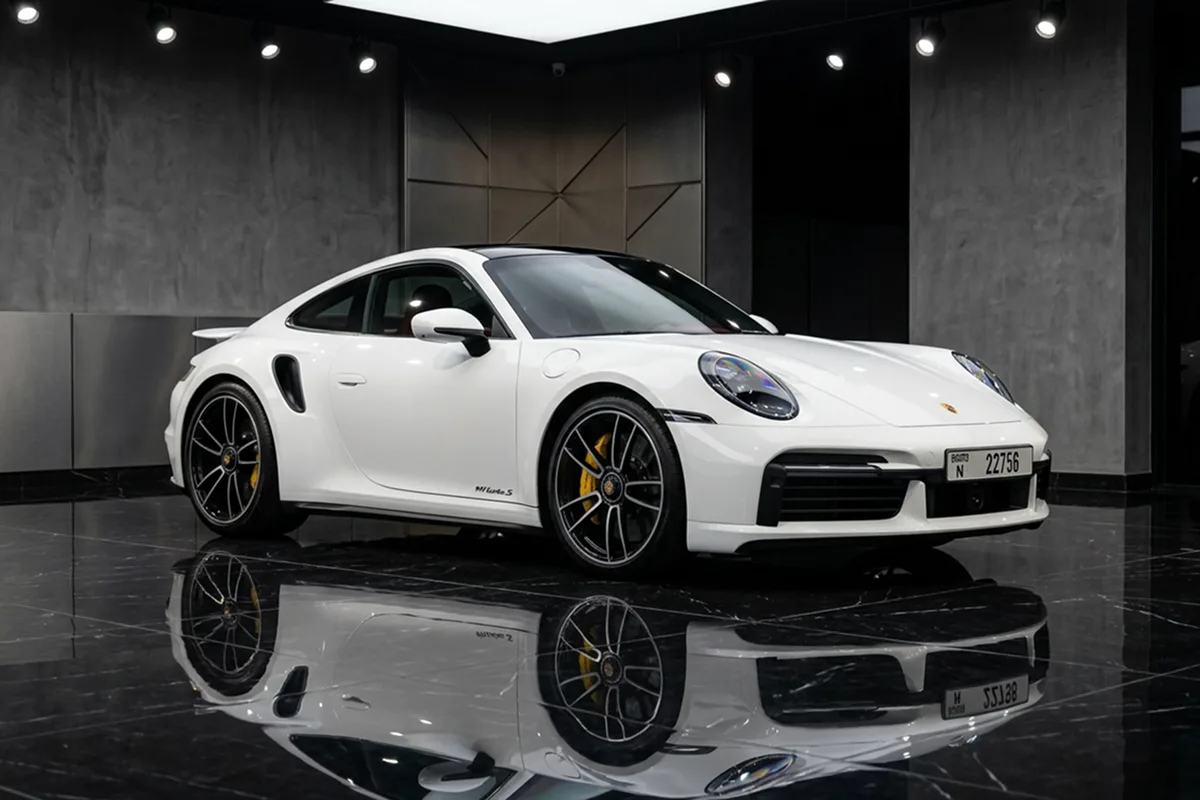 35% VLT
Drag to preview approximate darkness. Illustration only.
| Level | What it looks like |
|---|---|
| 70% — Very light | Barely noticeable; blocks UV, minimal darkening. |
| 50% — Light | Slight tint, cuts some glare and heat. |
| 35% — Medium | Popular balanced look; noticeable but you can see in. |
| 20% — Dark | Strong privacy and a sleek dark look. |
| 5% — Limo | Almost black; maximum privacy, often illegal for front windows. |
Legal note: Tint limits vary by country and US state, and differ for front side, rear side and windshield glass. This guide is informational only — always verify the legal VLT% for each window where you live before tinting.
FAQ
What does VLT% mean for window tint?
VLT stands for Visible Light Transmission — the percentage of visible light that passes through the tinted glass. 70% VLT lets most light through (very light tint), while 5% VLT is very dark 'limo' tint. Lower VLT means darker tint.
What tint percentage is legal?
Legal limits vary widely by country and by US state, and often differ for front side windows, rear windows and the windshield. There is no single legal number — always check your local regulations before tinting.
What's the most popular tint percentage?
35% VLT is a common choice for a noticeable but not extreme look, while 20% is popular for a darker appearance. The right level depends on your local law and how much privacy and light reduction you want.
Preview it on your own car
Car AI turns a photo of your car into photorealistic mods — wheels, paint, tint and more. Free to try on iOS.