Estilo JDM explicado: qué hace que un auto sea JDM en 2026
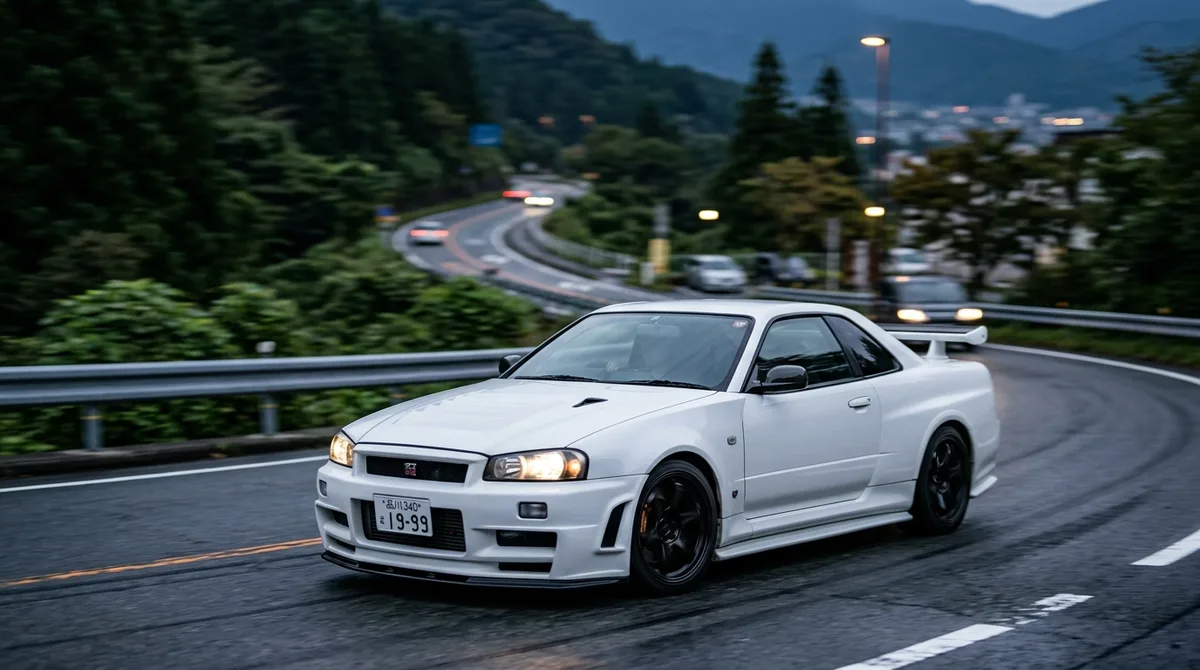
"JDM" es uno de los términos más usados (y mal usados) en la cultura automotriz. Estrictamente, JDM significa Japanese Domestic Market: autos y piezas fabricados para venderse en Japón. Sin embargo, en el lenguaje entusiasta, JDM ha llegado a describir una estética: el look y la actitud de la escena tuner japonesa.
Los íconos detrás del estilo
La estética JDM fue moldeada por un puñado de autos legendarios: el R34 Nissan Skyline GT-R, el A80 Toyota Supra, el FD Mazda RX-7, el EK Honda Civic. Estos autos definieron una filosofía que valoraba el equilibrio, la capacidad de modificación y la función sobre la pura apariencia, y sus rasgos de estilo se convirtieron en un lenguaje visual compartido.
Qué hace que un proyecto sea JDM
Varias cosas se repiten en los proyectos JDM: rines ligeros (a menudo multirradio o de malla) metidos en los guardabarros con un 'fitment' limpio; un lip frontal modesto y un alerón de cola de pato o GT; una suspensión rebajada sutil y funcional en lugar de una postura 'slammed' de exhibición; y guiños frecuentes a marcas tuner famosas o diseños de carrera. El hilo conductor es la intención: cada modificación parece tener una razón, incluso si la razón es el estilo.
Vale la pena decir que el JDM es un espectro. Va desde autos de calle casi de serie con un 'fitment' limpio hasta proyectos de 'time attack' repletos de aerodinámica. Lo que los une es esa actitud de 'la función primero'.
¿Cualquier auto puede verse JDM?
Los puristas dirán que el estilo JDM pertenece a los autos japoneses, y hay historia detrás de eso. Pero como dirección de estilo, las claves (un 'fitment' limpio, los rines correctos, una aerodinámica sutil, una postura funcional) se pueden aplicar a casi cualquier cosa. La forma más rápida de saber si el estilo le va a tu auto es previsualizarlo.
En el Style Builder de Car AI, puedes transformar una foto de tu auto en un proyecto de inspiración JDM con un solo toque, ajustando la postura, los rines y los detalles aerodinámicos sin que tu auto deje de ser reconocible. Es una forma divertida de ver tu auto de diario como un ícono tuner, y un punto de partida para una dirección de proyecto real.