Ratgeber Tönungsgrade (VLT%)
Die Dunkelheit einer Scheibentönung wird in VLT% (Visible Light Transmission) gemessen – dem Prozentsatz des Lichts, der durchgelassen wird. Ein höherer Wert bedeutet heller (70 % ist fast klar); ein niedrigerer Wert ist dunkler (5 % ist 'Limo'-Tönung). Nutzen Sie die Vorschau unten, um zu sehen, wie die einzelnen Stufen aussehen, und prüfen Sie immer, was in Ihrer Region legal ist, bevor Sie Ihre Scheiben tönen.
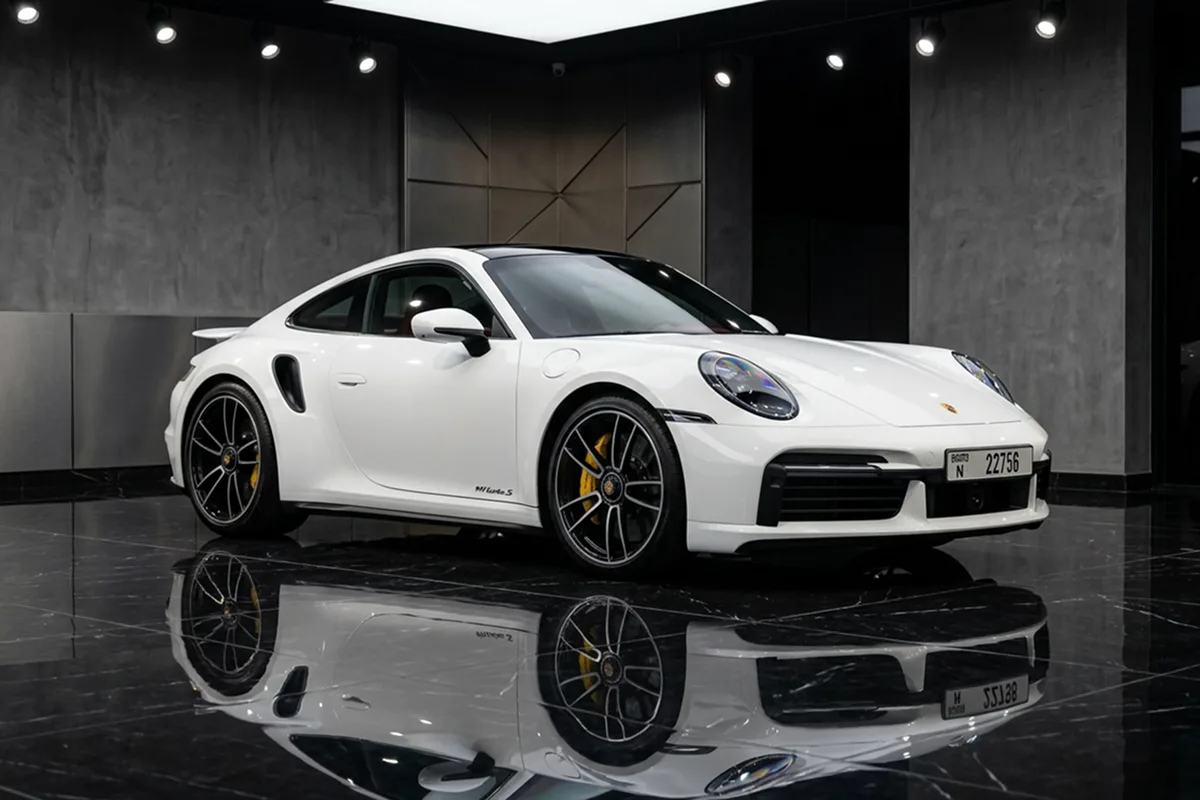 35% VLT
Ziehen, um eine Vorschau der ungefähren Tönung zu sehen. Nur zur Veranschaulichung.
| Stufe | Wie es aussieht |
|---|---|
| 70 % – Sehr hell | Kaum wahrnehmbar; blockiert UV-Strahlen, minimale Verdunkelung. |
| 50 % – Hell | Leichte Tönung, reduziert Blendung und Hitze. |
| 35 % – Mittel | Beliebter, ausgewogener Look; wahrnehmbar, aber man kann hineinsehen. |
| 20 % – Dunkel | Starker Sichtschutz und ein eleganter, dunkler Look. |
| 5 % – Limo | Fast schwarz; maximaler Sichtschutz, für vordere Seitenscheiben oft illegal. |
Rechtlicher Hinweis: Die gesetzlichen Grenzwerte für die Tönung variieren je nach Land und US-Bundesstaat und unterscheiden sich für vordere Seitenscheiben, hintere Seitenscheiben und die Windschutzscheibe. Diese Anleitung dient nur zur Information – prüfen Sie immer die gesetzlich zulässige VLT in % für jedes Fenster an Ihrem Wohnort, bevor Sie eine Tönung anbringen lassen.
FAQ
Was bedeutet VLT% bei Scheibentönung?
VLT steht für Visible Light Transmission (Lichtdurchlässigkeit) – der Prozentsatz des sichtbaren Lichts, der durch das getönte Glas fällt. 70 % VLT lässt das meiste Licht durch (sehr helle Tönung), während 5 % VLT eine sehr dunkle 'Limo'-Tönung ist. Ein niedrigerer VLT-Wert bedeutet eine dunklere Tönung.
Welcher Tönungsgrad ist gesetzlich erlaubt?
Die gesetzlichen Grenzwerte sind je nach Land und Bundesland sehr unterschiedlich und weichen oft für die vorderen Seitenscheiben, die Heckscheibe und die Windschutzscheibe voneinander ab. Es gibt keine einheitliche gesetzliche Regelung – prüfen Sie vor dem Tönen immer die örtlichen Vorschriften.
Welcher Tönungsgrad ist am beliebtesten?
35 % VLT ist eine gängige Wahl für einen sichtbaren, aber nicht extremen Look, während 20 % für ein dunkleres Erscheinungsbild beliebt ist. Der richtige Tönungsgrad hängt von den örtlichen Gesetzen und dem gewünschten Maß an Privatsphäre und Lichtreduzierung ab.
Als Vorschau auf Ihrem Auto ansehen
Car AI verwandelt ein Foto Ihres Autos in fotorealistische Mods – Felgen, Lack, Tönung und mehr. Kostenlos testen auf iOS.